
16 projects논문 보기

2026.03 –Predictive Maintenance and Remaining Useful Life Prediction for Collaborative Robots in ShipbuildingDeveloping predictive-maintenance and remaining-useful-life (RUL) prediction models for collaborative robots operating in shipyard manufacturing, as part of a national multimodal foundation model R&D program.
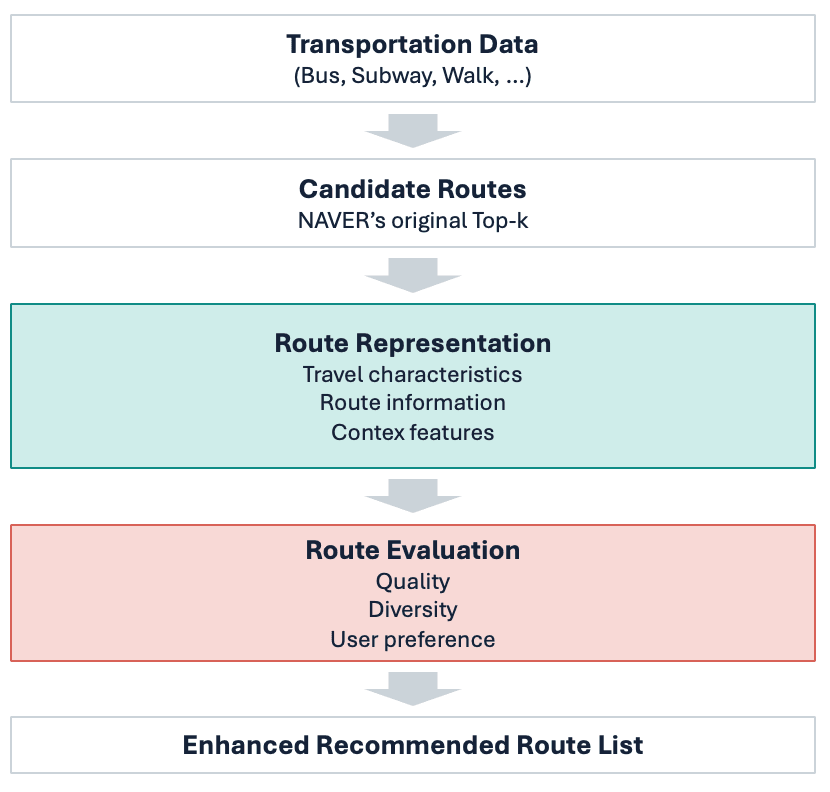
2026.03 –User-Centered Evaluation of Public Transit Route RecommendationsEvaluating whether public-transit route recommendations provide practically useful choices for users.
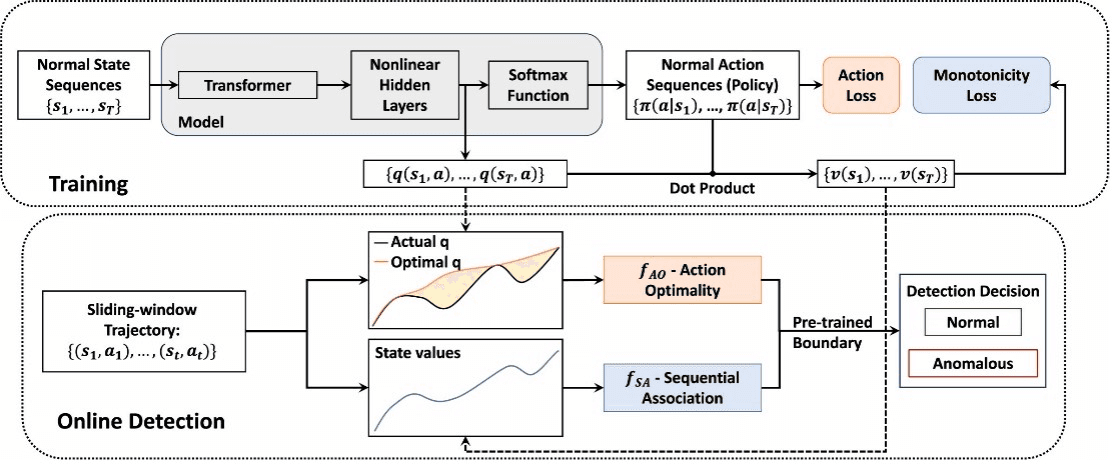
2025.08 –Risk-Aware Imitation Learning with Environmental Context for AISImitation-learning anomaly detection for AIS augmented with environmental data so the model separates risky behavior from weather-driven detours.
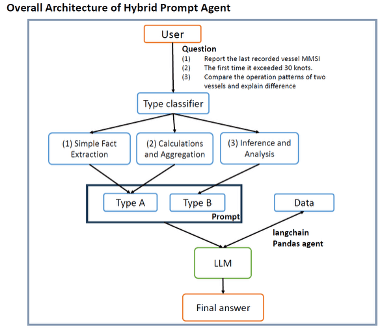
2025.06 – 2025.08Hybrid Prompt Agent for Conversational Maritime AIS Data AnalysisA Hybrid Prompt Agent enabling natural-language analysis of maritime AIS data by combining query classification with dynamic prompting.
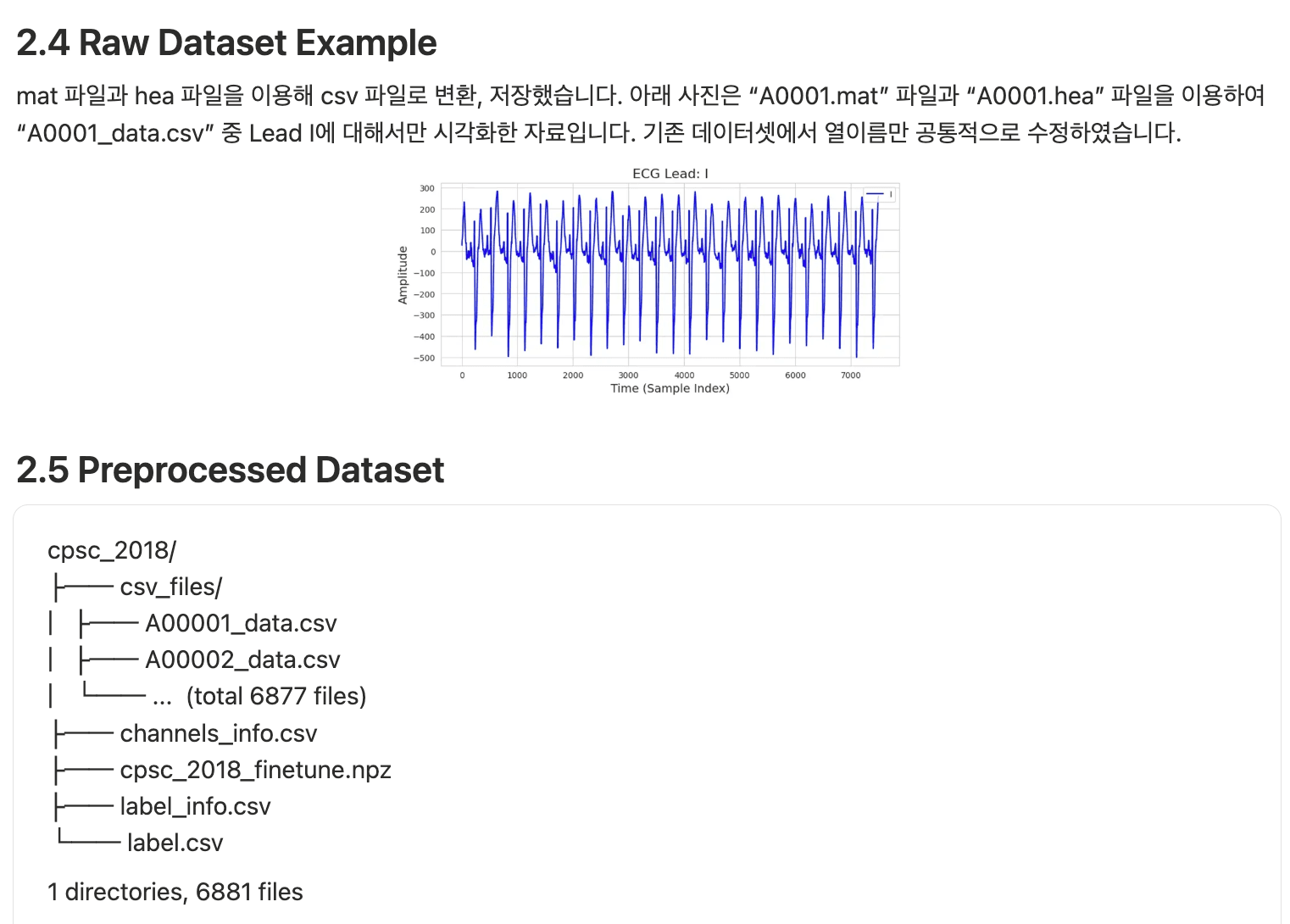
2024.10 –A robust, generalizable foundation model for bioelectrical signalsDeveloping a foundation model that generalizes across heterogeneous bioelectrical signal domains.
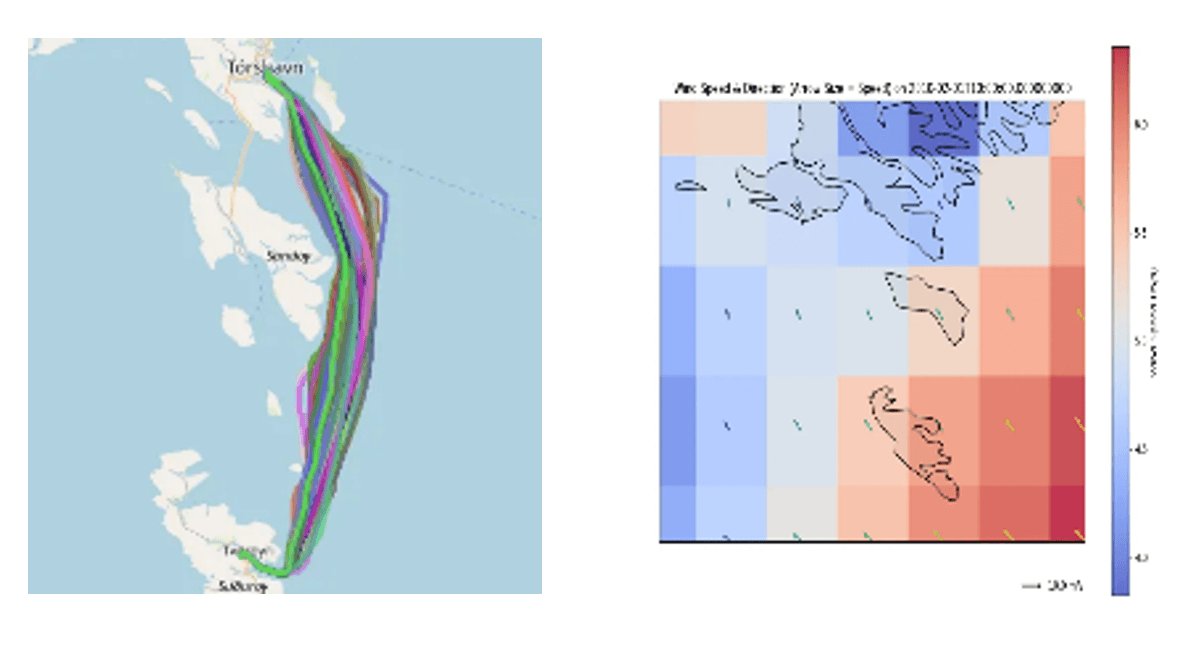
2024.03 –Physics-Informed AI for Robust Ship Fuel Consumption PredictionA ship fuel-consumption prediction model that accounts for environmental factors.
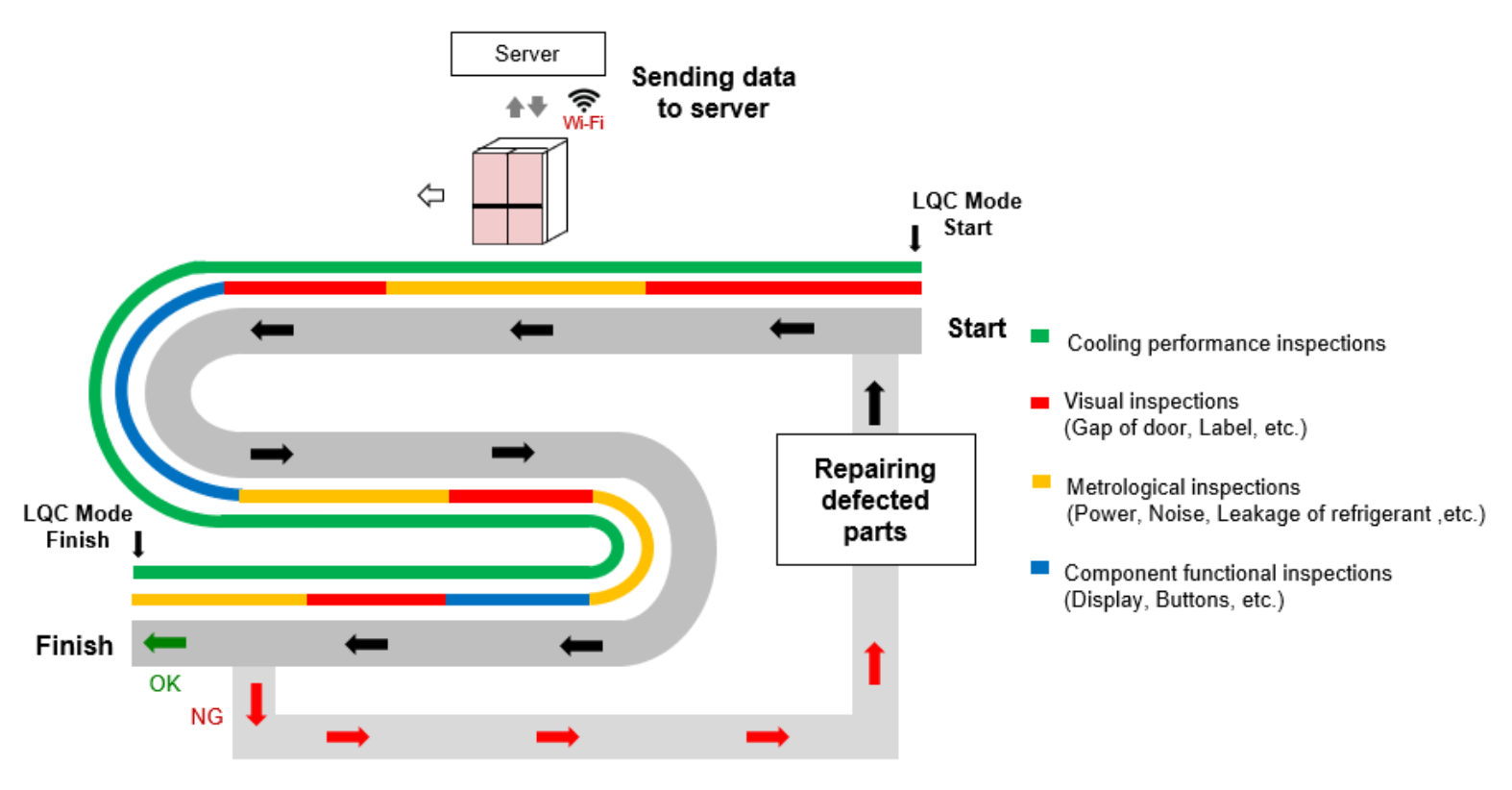
2023.07 – 2024.10Fault Detection via Domain-Knowledge-Based Training Data RefinementA domain knowledge–based data refinement methodology for detecting defective products that cannot be filtered out in the LQC process.
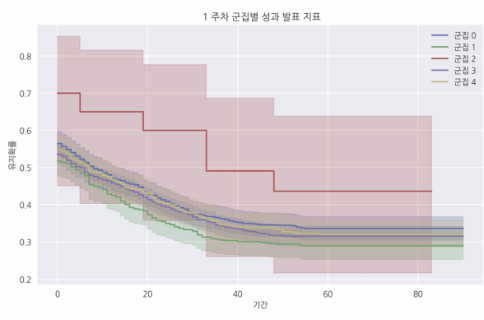
2023.06 – 2024.05Data-driven user engagement metrics for updatable home appliancesDeveloping a new metric for measuring customer satisfaction based on user activity data.
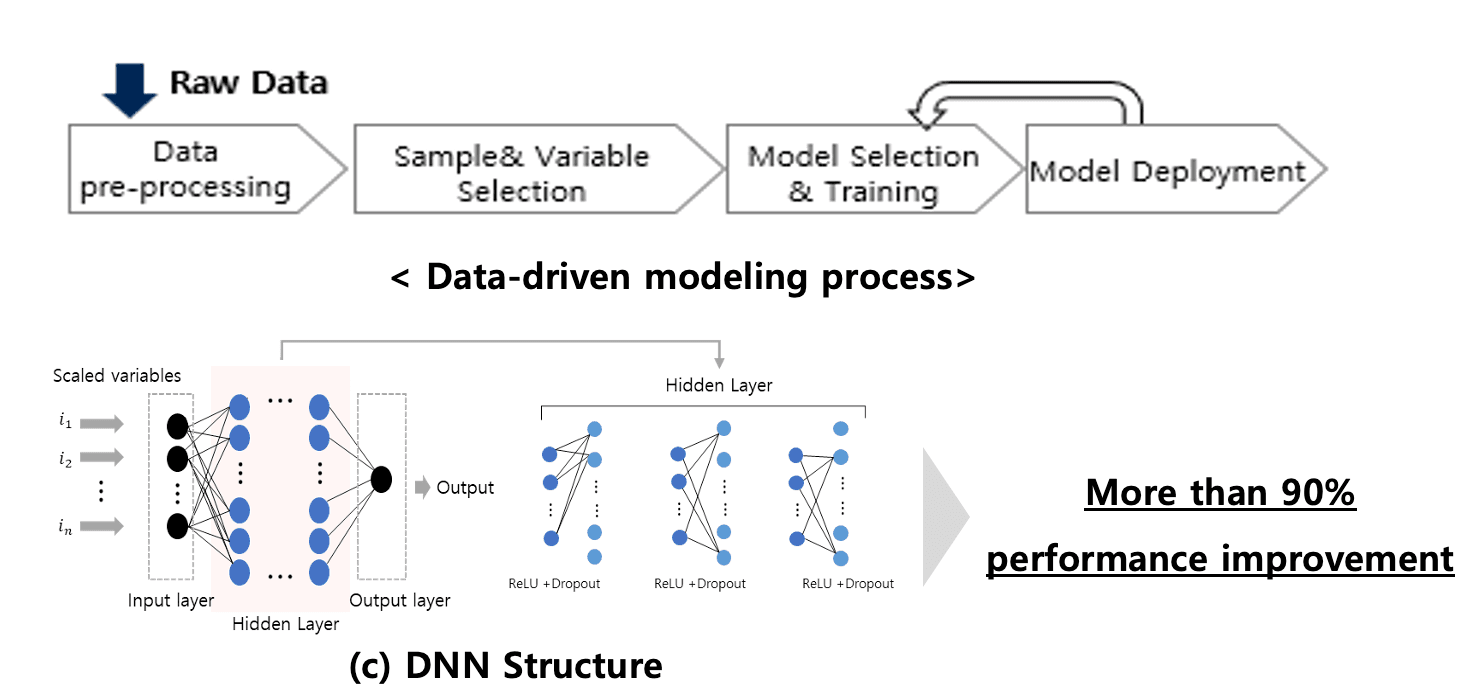
2022.12 – 2023.12Deep Learning for the Behavior of Linear Compressor PistonsDeep learning–based sensorless control of linear compressor pistons with over 90% performance improvement.
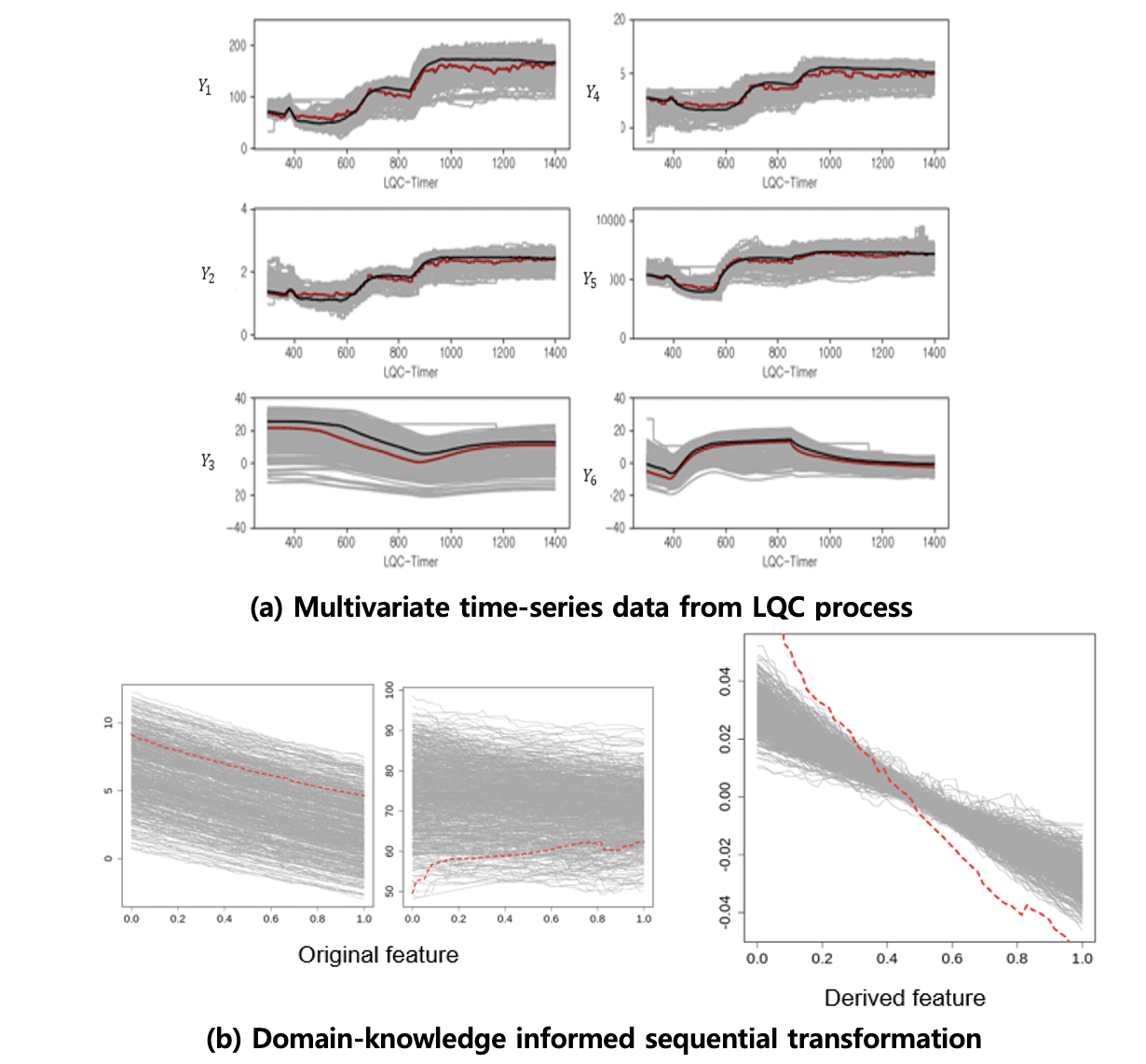
2022.01 – 2022.12Domain Knowledge-Informed Functional Outlier Detection for LQCAn ST-based method using failure-pattern knowledge to detect tiny anomalies in manufacturing time-series data.
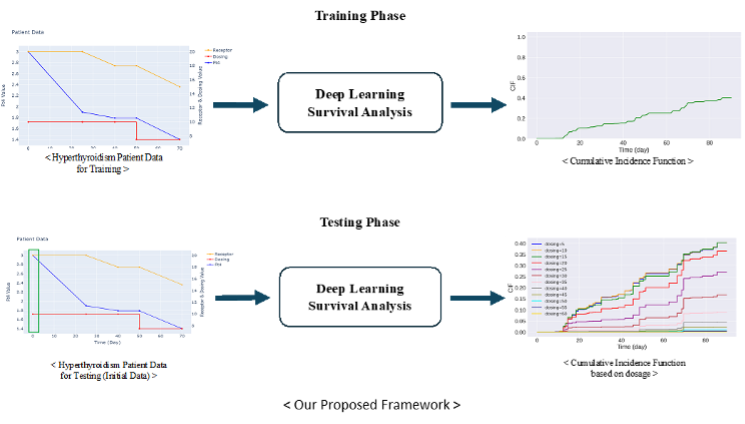
2022.01 – 2025.12Personalized Dose Determination for Thyroid Hormone DisordersOptimal, personalized dose determination using deep learning–based survival analysis.
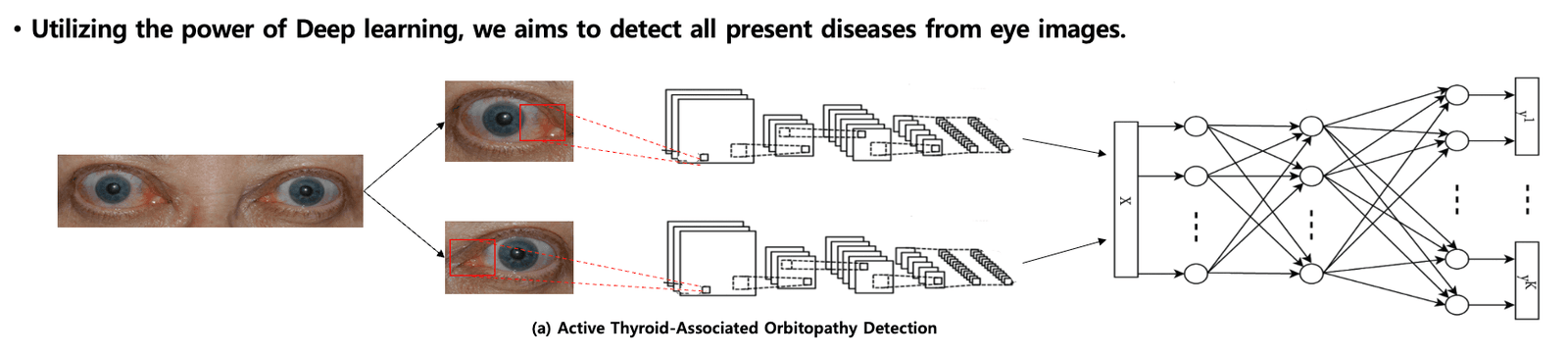
2021.08 – 2021.12Active Thyroid-Associated Orbitopathy Detection on Eye PhotographsA deep learning–based system for early monitoring and diagnosis of thyroid eye disease before irreversible damage.
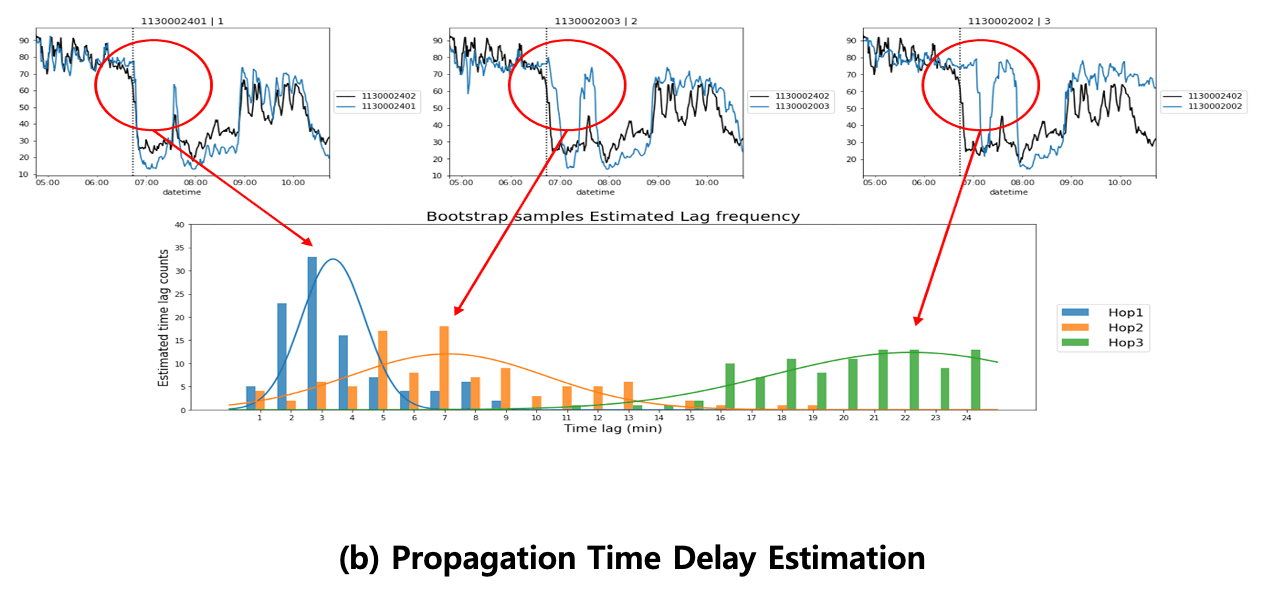
2021.01 – 2024.02Prediction of Traffic Congestion PropagationModeling and quantifying time-lagged accident-induced congestion using causal inference and bootstrap uncertainty analysis.
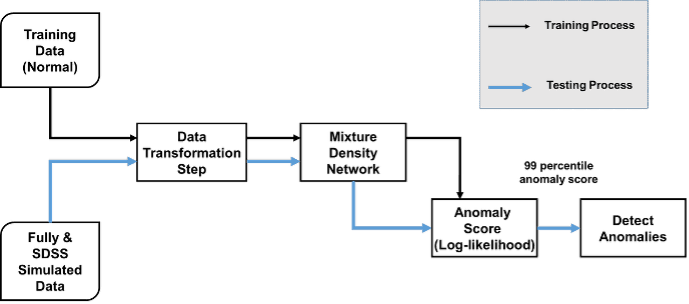
2021.01 – 2025.12Real-Time Changing-State Quasar DetectionReal-time detection of changing-state quasars using a Mixture Density Network.
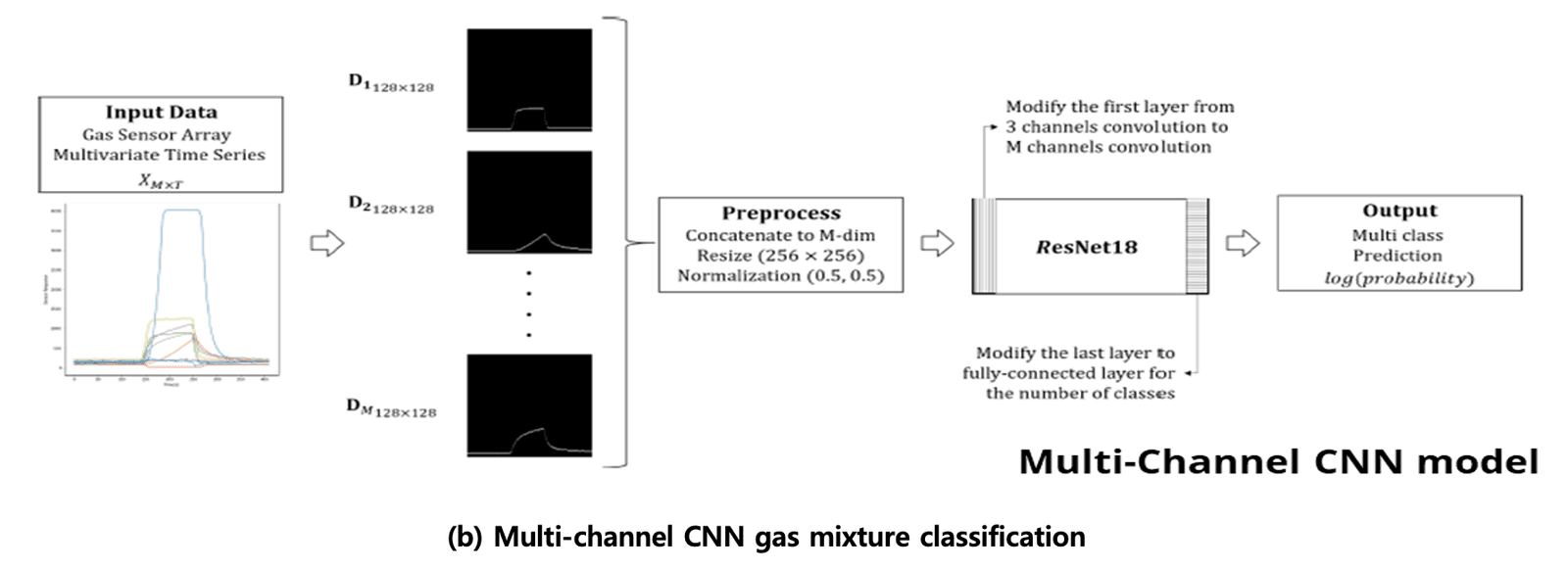
2020.03 – 2020.07CNN-based Gas Mixture ClassificationA CNN-based multi-channel time-series method for accurate classification of gas mixtures using electronic-nose sensor data.
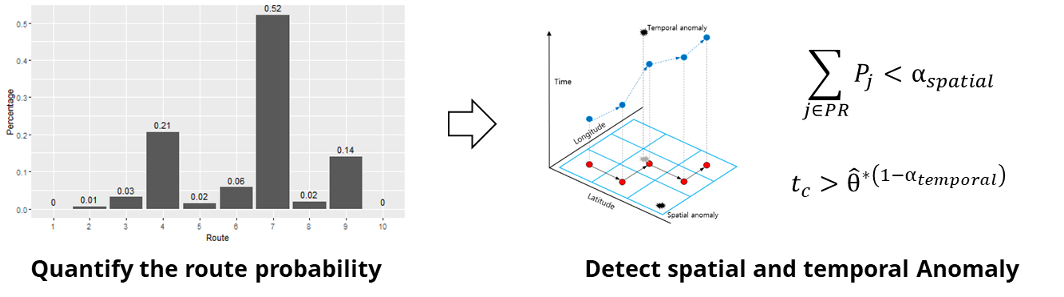
2020.01 – 2022.01Maritime Anomaly DetectionAn ST-based method using failure-pattern knowledge to detect tiny anomalies in manufacturing time-series data.